Untangling the Mystery of Porosity in Welding: Tips for Lessening Issues and Optimizing Quality
In the intricate world of welding, porosity stays a consistent obstacle that can significantly impact the high quality and stability of bonded joints. Comprehending the variables that add to porosity development is essential in the quest of perfect welds. By unwinding the enigma of porosity and carrying out reliable approaches for defect minimization, welders can elevate the standards of their work to achieve exceptional high quality results. As we dig into the depths of porosity in welding, uncovering the secrets to its prevention and control will be critical for experts looking for to grasp the art of top notch weldments.
Understanding Porosity in Welding
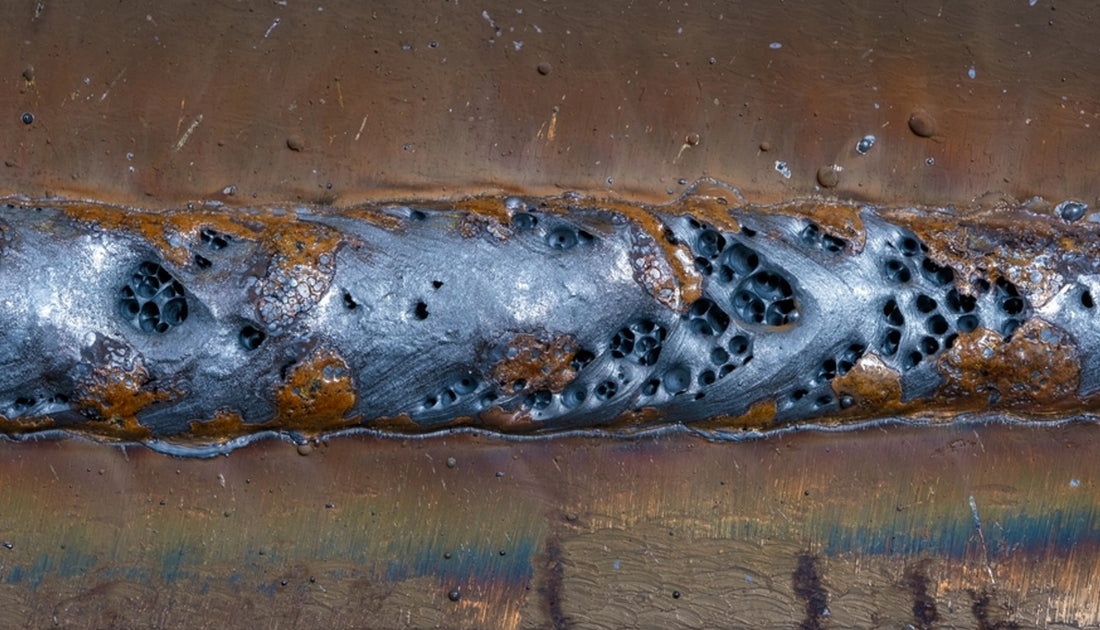
Porosity in welding, a common concern experienced by welders, refers to the visibility of gas pockets or voids in the bonded material, which can endanger the stability and quality of the weld. These gas pockets are typically entraped during the welding process due to numerous elements such as improper protecting gas, polluted base materials, or incorrect welding criteria. The formation of porosity can damage the weld, making it prone to cracking and rust, ultimately causing architectural failings.
By identifying the significance of maintaining proper gas shielding, guaranteeing the tidiness of base materials, and optimizing welding setups, welders can significantly reduce the likelihood of porosity formation. Overall, a comprehensive understanding of porosity in welding is important for welders to produce high-grade and durable welds.

Common Sources Of Porosity
When evaluating welding procedures for potential quality concerns, recognizing the typical reasons for porosity is crucial for keeping weld stability and preventing structural failures. Porosity, identified by the existence of cavities or spaces in the weld metal, can dramatically jeopardize the mechanical buildings of a bonded joint. One common reason for porosity is incorrect securing gas protection. Poor protecting gas circulation prices or improper gas blends can result in atmospheric contamination, leading to porosity development.
One more common reason for porosity is the presence of moisture and pollutants on the surface area of the base metal or filler material. When welding products are not effectively cleaned or are exposed to high levels of humidity, the vaporization of these contaminants throughout welding can create voids within the weld bead. Furthermore, welding at incorrect criteria, such as exceedingly high traveling rates or currents, can create excessive turbulence in the weld pool, trapping gases and causing porosity. By dealing with these common causes through proper gas shielding, material preparation, and adherence to optimal welding parameters, welders can reduce porosity and enhance the quality of their welds.
Strategies for Porosity Prevention
Executing effective preventive measures is crucial in decreasing the event of porosity in welding processes. One technique for porosity avoidance is making sure appropriate cleaning of the base steel before welding. Impurities such as oil, oil, rust, and paint can bring about porosity, so complete cleaning making use of proper solvents or mechanical methods is crucial.

One more key preventative step is the option of the best welding consumables. Using high-grade filler materials and securing gases that appropriate for the base steel and welding process my company can substantially reduce the danger of porosity. In addition, preserving correct welding parameters, such as voltage, present, travel speed, and gas circulation price, is vital for porosity avoidance. Differing the suggested setups can cause improper gas insurance coverage and poor fusion, causing porosity.
Furthermore, utilizing appropriate welding methods, such as keeping a regular traveling speed, electrode angle, and arc size, can assist protect against porosity (What is Porosity). Adequate training of welders to guarantee they follow best practices and quality assurance procedures is likewise vital in lessening porosity flaws in welding
Finest Practices for High Quality Welds
Making sure adherence to market requirements and proper weld joint preparation are basic facets of accomplishing regularly learn the facts here now top quality welds. Along with these fundamental actions, there are a number of best techniques that welders can carry out to even more enhance the top quality of their welds. One secret Full Report practice is keeping correct tidiness in the welding area. Impurities such as oil, grease, corrosion, and paint can negatively affect the top quality of the weld, causing problems. Thoroughly cleansing the work surface and surrounding area prior to welding can assist alleviate these issues.
Another best practice is to thoroughly select the suitable welding parameters for the details materials being joined. Proper parameter selection ensures optimum weld penetration, blend, and total high quality. Utilizing top notch welding consumables, such as electrodes and filler metals, can considerably impact the last weld top quality.
Value of Porosity Control
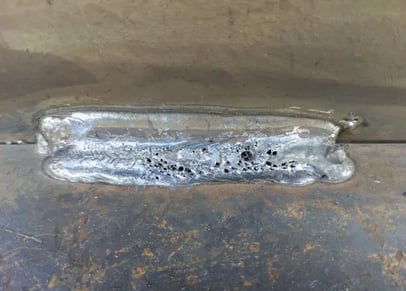
Porosity control plays a critical function in guaranteeing the integrity and top quality of welding joints. Porosity, identified by the existence of cavities or gaps within the weld metal, can significantly endanger the mechanical buildings and architectural integrity of the weld. Too much porosity deteriorates the weld, making it more at risk to splitting, corrosion, and overall failing under operational tons.
Efficient porosity control is crucial for preserving the preferred mechanical properties, such as stamina, ductility, and sturdiness, of the welded joint. What is Porosity. By lessening porosity, welders can boost the overall high quality and integrity of the weld, ensuring that it meets the performance requirements of the designated application
Moreover, porosity control is essential for achieving the preferred visual appearance of the weld. Excessive porosity not just compromises the weld but additionally diminishes its visual charm, which can be essential in industries where appearances are essential. Proper porosity control techniques, such as using the appropriate protecting gas, managing the welding specifications, and making certain correct sanitation of the base products, are crucial for generating premium welds with very little flaws.
Verdict
In final thought, porosity in welding is a common flaw that can compromise the top quality of the weld. It is vital to control porosity in welding to make sure the integrity and stamina of the final item.